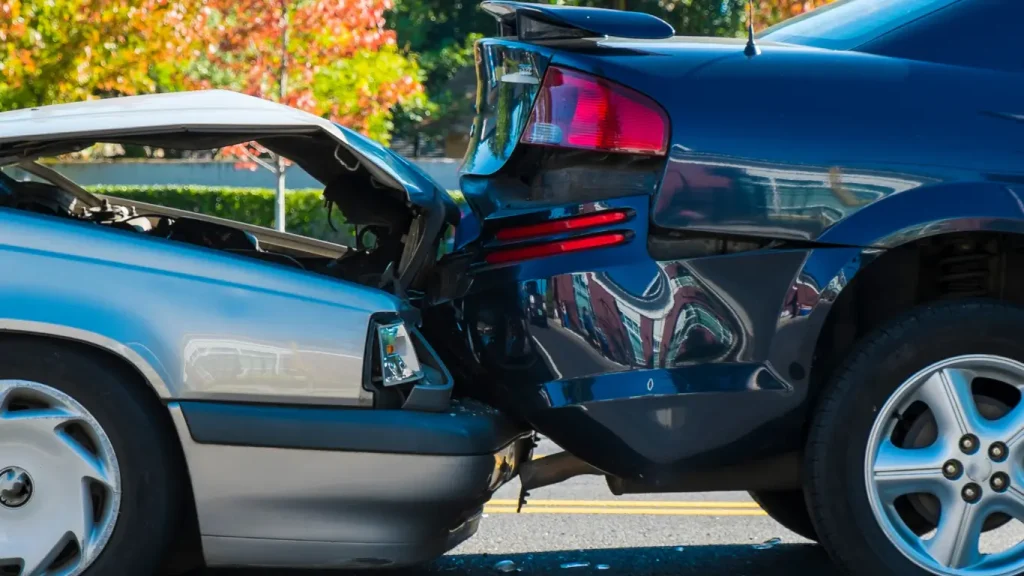








A traumatic brain injury is a disruption of normal brain function caused by an external force, such as a sudden blow or jolt. A car accident can cause injury without direct impact to the head. The brain’s rapid movement inside the skull can damage nerve cells, producing a TBI even without visible injuries.
Motor vehicle crashes are a significant cause of traumatic brain injury in the United States. Confusion often starts with the word mild. Clinically, it describes initial injury severity, not necessarily its effect on everyday life. A concussion can cause serious symptoms that emerge days later, even when the initial scan appears clear.
This invisible injury creates problems beyond medical treatment. Insurers may dispute symptoms that imaging cannot confirm. Understanding a TBI after a car accident means knowing how these injuries occur, why scans sometimes miss them, how medical evidence establishes a claim, what compensation should cover, and the California deadlines victims must understand.
How Does a Car Accident Cause a Traumatic Brain Injury?
In a collision, the head is suddenly thrown forward, backward, or sideways. The skull may stop moving, but the brain keeps moving inside it. The brain can strike the inside of the skull and stretch or twist under shearing force as the head rotates. This can damage the brain’s delicate connections without any blow to the head. Even a belted driver whose head never strikes the steering wheel, window, or dashboard can suffer a traumatic brain injury.
Doctors distinguish between primary injury, which occurs at the time of the collision, and secondary injury, which develops afterward. Damaged blood vessels may bleed, while swelling can increase intracranial pressure. Some serious injuries evolve over hours or days. If you feel normal at the scene, you should still be medically assessed, particularly if symptoms develop or worsen. According to the National Institute of Neurological Disorders and Stroke, secondary brain injuries can develop gradually over hours or days. They may involve bleeding, brain swelling, and increased intracranial pressure.
What Types of Brain Injury Happen in Car Accidents?
Brain injury is not a single diagnosis, and the specific type you suffer affects your prognosis, treatment needs, and the evidence required to support a personal injury claim.
- Concussion and mild traumatic brain injury: A concussion disrupts brain function following a blow or sudden movement. Mild TBI is the most common diagnosis and often produces no abnormalities on routine imaging. The term mild describes clinical injury severity, not necessarily the impact on someone’s daily life or recovery.
- Contusion: A cerebral contusion is bruising of brain tissue, usually caused by impact against the skull’s interior. It can involve bleeding and swelling that worsen after the collision. Unlike many concussions, significant contusions are more likely to appear on conventional CT or MRI scans.
- Coup-contrecoup injury: A coup-contrecoup injury involves damage at the point of impact and on the opposite side of the brain as it rebounds. Head-on and rear-end collisions can produce these injuries when sudden acceleration and deceleration cause the brain to strike the skull’s interior, potentially damaging multiple regions.
- Diffuse axonal injury: Diffuse axonal injury occurs when sudden rotational forces stretch or tear nerve fibers connecting different brain regions. Severe cases can cause prolonged unconsciousness or permanent neurological disability. The microscopic damage may be difficult to detect on standard CT scans, although specialized MRI techniques can reveal some abnormalities.
- Penetrating injury: A penetrating brain injury occurs when an object enters the skull and damages underlying brain tissue. Although less common in car accidents, this injury can also result from shattered glass, flying debris, or objects entering the passenger compartment during severe collisions. These cases require immediate emergency medical attention.
- Second impact injury: A second head injury before recovery from a concussion can cause additional neurological harm. Rare cases of second impact syndrome involve catastrophic brain swelling, although the condition remains medically debated. This risk makes appropriate medical clearance important before returning to hazardous work, driving, or contact sports.
A concussion is a brain injury, even when classified as mild. A normal scan does not make the injury less real.
Why Doesn’t a Brain Injury Always Show on a Scan?
A mild traumatic brain injury can produce genuine cognitive and physical symptoms despite a normal CT scan or conventional MRI because these tests cannot detect every microscopic or functional disturbance. CT scans primarily identify structural problems such as bleeding, fractures, or swelling. MRI offers greater structural detail but can also miss concussion-related changes. Under the CDC’s clinical guidance on diagnosing mild TBI, routine imaging is not required to establish a concussion diagnosis.
That normal scan frequently becomes an insurer’s central defense. An adjuster may interpret an emergency report showing no acute intracranial abnormality as evidence that no meaningful injury occurred. Months later, you might still experience headaches, impaired concentration, or post-concussion syndrome. The challenge is to demonstrate those limitations through clinical findings, medical records, and credible evidence of functional changes.
What Are the Symptoms of a Brain Injury?
Symptoms fall into four groups. They may overlap, change during recovery, or appear hours or days after the collision. According to the CDC’s brain injury symptom guidance, symptoms can affect physical, cognitive, emotional, and sleep-related functioning.
- Physical symptoms: Headaches, dizziness, nausea, sensitivity to light or noise, blurred vision, and fatigue are common. Fatigue is easily attributed to medication, stress, or poor sleep. Seek emergency care for worsening headaches, repeated vomiting, seizures, or new neurological problems.
- Cognitive symptoms: Concentration becomes difficult, memories slip, and thinking feels unusually slow. You may lose track of conversations, struggle with work emails, or become confused while driving a familiar route. Previously automatic tasks suddenly require considerable effort.
- Emotional and behavioral symptoms: Irritability, anxiety, depressed mood, and a shorter temper can follow injury. Families sometimes notice changes before the injured person recognizes them. For instance, a previously patient parent becoming unusually impatient may demonstrate a meaningful functional change that requires evaluation.
- Sleep disturbance: Some people sleep considerably more than usual, while others experience insomnia, frequent waking, or unrefreshing sleep. Disrupted rest can intensify headaches, emotional difficulties, fatigue, and cognitive symptoms, creating obstacles to rehabilitation.
How Is a Brain Injury Proved in a Claim?
Proving a TBI car accident claim requires evidence linking the injury to the crash and demonstrating its impact on daily life.
Neuropsychological Testing
Neuropsychological testing uses standardized measures to evaluate memory, attention, processing speed, and reasoning. A specialist interprets the results alongside the person’s medical history and uses performance validity measures to determine whether the scores reliably reflect their abilities. Testing can provide objective evidence of cognitive impairment. But it cannot, on its own, establish that a car accident caused that impairment.
Medical Records Over Time
Emergency records establish the initial presentation, while subsequent appointments document symptoms, treatment, and recovery. A consistent history helps specialists assess whether problems began after the collision. Unexplained treatment gaps give insurers opportunities to dispute severity or causation.
Accounts From People Who Knew You Before
Lay witness evidence reveals changes that medical appointments may never capture. Spouses, coworkers, supervisors, and friends can describe someone who previously managed demanding responsibilities but now forgets commitments or struggles with routine decisions. Specific before-and-after examples carry substantial evidentiary value.
Medical Expert Opinion
Treating neurologists, rehabilitation physicians, and other specialists explain diagnosis, causation, prognosis, and ongoing limitations. Independent experts may evaluate disputed findings. Advanced techniques such as diffusion tensor imaging (DTI) and functional MRI (fMRI) may provide additional information. But neither can establish a concussion or legal causation on its own.
Who Can Be Held Responsible for TBI After an Accident?
The negligent driver is often the first party considered, but liability may extend beyond that person.
The Driver, and Sometimes Their Employer
A driver who causes a crash by speeding, driving while distracted, or otherwise acting negligently may be responsible for a victim’s traumatic brain injury. If the driver was working at the time, for example while operating a delivery truck or rideshare vehicle, the employer may also be liable under California’s respondeat superior doctrine. This doctrine generally holds an employer responsible for harm an employee causes while performing job duties. It can also bring the employer’s larger commercial insurance policy into the claim.
The Vehicle Itself
Crashworthiness concerns how effectively a vehicle protects occupants in a collision. A defective restraint, seat, roof structure, or airbag may increase the risk of otherwise avoidable injuries. In some cases, this supports a separate product liability claim against the manufacturer.
A Road or Property Defect
Dangerous road design, inadequate maintenance, or hazardous property conditions may contribute to collisions. California Government Code section 835 governs some public-property claims. Government claims require urgency because administrative deadlines can expire much earlier than ordinary personal injury deadlines.
What Does a Brain Injury Claim Have to Cover?
Settling a serious brain injury claim based only on existing medical bills risks overlooking substantial future losses.
Future Medical and Rehabilitative Care
Recovery may require neurological evaluations, occupational therapy, cognitive rehabilitation, psychological treatment, and medication management. Some patients require continuing treatment. A life care plan projects reasonably anticipated medical services, equipment, assistance, and associated costs. Qualified professionals develop these projections to establish future care needs without relying on speculation.
Lost Earning Capacity
Lost wages compensate for earnings already missed. Lost earning capacity refers to a reduced ability to earn for the remainder of your working life. A professional may return to employment but struggle with complex assignments, overtime, or advancement. Vocational and economic experts can assess employment limitations and projected financial consequences.
Care and Support at Home
A traumatic brain injury can require support even when the injured person remains physically mobile. Assistance may include transportation, medication management, supervision, or help with household tasks. Document paid care, and unpaid care provided by a spouse or parent may also be relevant. California law may permit recovery for the reasonable value of necessary replacement services.
The Losses With No Invoice
Non-economic damages address physical pain, mental suffering, emotional distress, inconvenience, and lost enjoyment of life. As a crash victim, you may lose the ability to concentrate on a book, tolerate family gatherings, parent independently, or pursue a profession. California Civil Code section 1431.2 and applicable CACI instructions help frame recoverable losses. Detailed witness accounts make these consequences understandable.
What If the Injured Person Cannot Manage the Claim?
A traumatic brain injury can affect exactly the abilities needed to manage a claim: memory, concentration, planning, and organization. As a result, missed appointments, misplaced documents, and deadlines can become part of the recovery process. A person may describe symptoms in good faith yet give slightly different accounts on different days. This is often a symptom of cognitive impairment, not a credibility problem. Insurers don’t always see it that way, so accurate documentation and consistent support matter.
A trusted family member may be able to provide practical support while the claim is underway. With appropriate permission, they can help schedule and attend appointments, keep records and correspondence organized, maintain a symptom diary, and flag approaching deadlines. Formal acting on behalf of the injured person is a separate legal question that depends on their capacity and circumstances. An attorney should assess the proper arrangement before you sign any releases, settlements, or other legal documents.
How Long Do You Have to File in California?
In California, you generally have two years from the injury date to file a personal injury lawsuit under Code of Civil Procedure section 335.1. Claims involving public entities generally require a government claim within six months under Government Code section 911.2, with separate lawsuit deadlines afterward. Limited discovery or tolling exceptions require individual analysis. Because maximum medical improvement and prognosis may take months to establish, victims should obtain legal advice early rather than settle prematurely.
Have Questions? Let Our San Diego Brain Injury Lawyer Help You
A clear scan does not necessarily end a brain injury case. Medical testing, consistent treatment records, and firsthand accounts can establish how someone’s abilities changed after a collision. A properly investigated claim must account for rehabilitation, reduced earning capacity, future assistance, and lasting personal losses.
HHJ Trial Attorneys reports a $10 million jury verdict in a commercial-vehicle collision case involving catastrophic spinal injuries. The defense had offered $350,000 before trial.
Speak with a San Diego brain injury lawyer about your options. HHJ offers a free case review and contingency fee representation, with no recovery, no fee under its advertised terms. A family member can contact HHJ Trial Attorneys on behalf of an injured person.