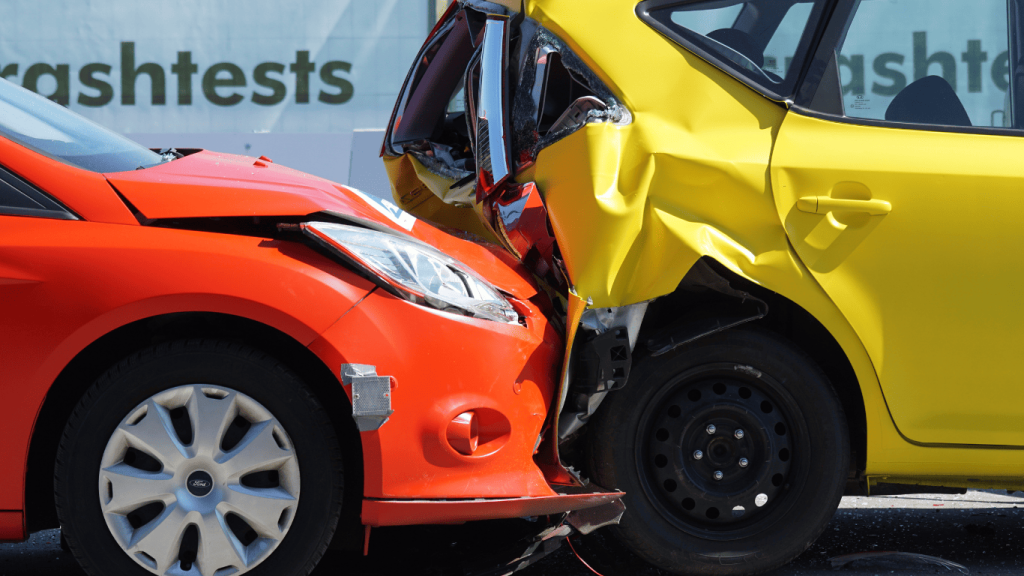








You’re standing on the side of the road somewhere in San Diego with your hazards on after getting into a car accident, or maybe you’re sitting on your couch three days after a crash with a stiff neck and a voicemail from an adjuster. The first hour after a crash and the first week that follows often determine what happens next, but few people think about a potential claim while in the thick of it.
Here’s what to do after a car accident: get to safety, call 911, exchange information without discussing fault, photograph the scene before anything is moved, and get a medical checkup even if nothing hurts yet. We’ll discuss each step in detail below, but it’s crucial to understand that these steps matter and you shouldn’t skip them.
This article is a guide that walks crash victims through the hours and days after their accident, along with the California deadlines most drivers have never had to think about, including the 10 days to file an SR-1 with the DMV and the two years you have to file a car accident claim. We’ll also cover how to handle both your insurance company and the other driver’s provider, and what changes in specific situations such as hit-and-runs or collisions with uninsured drivers.
What to Do in the First Hour After a Car Accident in San Diego?
What you do in the first hour after your car accident can have a significant impact on the outcome of any legal action you choose to take. The steps you must take are listed below in order of priority.
Step 1. Move to Safety and Turn on Hazards
Turn your hazard lights on immediately before you do anything else. Then assess whether you can move your vehicle. If it can, move it out of traffic onto the shoulder or into a nearby parking lot. Do not drive further than you would be able to walk to the crash site quickly. If you can’t move your vehicle and there’s no safe place to stand away from traffic, stay inside the car with your seatbelt and hazards on. It is safer to stay within the protection of your vehicle than to stand on the roadway where you’re exposed. On a San Diego freeway, getting to safety matters more than protecting the scene simply for photographs.
Step 2. Call 911 and Request a Police Report
Contacting emergency services is vital, even if the crash seems minor and you don’t feel hurt. Call 911 and provide the following information to the 911 dispatcher: your location, whether anyone is injured, and whether vehicles are blocking traffic. When the responding officer arrives, they will take notes and photos to include in an official traffic collision report. Before leaving the scene, ask for the officer’s badge number and the report number. It is the single most useful thing to acquire at the scene.
Please remember that if you’re removed from the scene by emergency services due to severe or life-threatening injuries, your claim will not be weaker simply because you couldn’t follow these steps. Your health and safety come first. If possible, ask a friend, family member, or passenger in your vehicle to complete the following steps for you.
Step 3. Exchange Information Without Discussing Fault
Apologizing is a normal human reaction when trying to comfort someone, but it can be used against you later if it slips out at the scene. Saying “I’m so sorry!” can be intentionally misrepresented as an admission of fault by an insurance adjuster. You must speak to the other driver and exchange information, but do not say anything along the lines of: “It was my fault.” “I didn’t see you.”, or “You just appeared out of nowhere!”
When you speak to the other driver, focus on gathering important information you will need later. Take note of the other driver’s full name, phone number, address, driver’s license number, license plate number, and their insurance company and policy number. Then write down the car’s make, model, color, and Vehicle Identification Number (VIN) if it’s visible. We recommend taking photos of the license and insurance card and saving contact details in your phone because transcription errors are common when your hands are shaking.
Do not allow yourself to be drawn into detailed discussions about who caused what, or any conflict. If the other driver is being aggressive, wait until police arrive to exchange information, and note their license plate number while you wait in case they decide to flee.
Step 4. Photograph the Scene Before Vehicles Are Moved
Before you or the other driver leave, or your cars are moved, take photos of everything that may be useful later. Take more photos than feels necessary, and if possible, try to take at least a couple of photos before the cars are moved onto the shoulder. Take these photos as soon as possible:
- Wide shots showing both vehicles in their final resting position
- Close shots of vehicle damage
- The other vehicle’s license plate
- Skid marks, or the lack thereof
- Vehicle debris
- Traffic signals and signage
- Lane markings
- Road conditions
- Lighting and weather conditions
- Any visible injuries
Step 5. Identify Witnesses and Record Their Contact Information
Most witnesses leave within minutes of the crash. They are almost impossible to find afterward, making this one of the most time-sensitive tasks at the scene. Hopefully, one or more people who saw the crash pulled over to help, or maybe people were standing nearby when the collision happened.
Ask everyone you see for their name and phone number, and if they’re willing, record a short voice memo of them saying their name and what they saw. The sooner you take their initial witness statements, the fresher the memory will be. Witnesses who are independent of both drivers carry more weight than passengers you know.
Step 6. Get Medical Attention Even If You Feel Fine
Adrenaline can mask pain for hours, and a delayed-onset injury like whiplash or a concussion often only shows symptoms the next day. A gap in time between the crash and seeking medical treatment can be used later to argue that your injuries are either not real, exaggerated, or completely unrelated to the accident in question.
Follow this rule: Go to the emergency room for head impact, loss of consciousness, chest or abdominal pain, or numbness. Go to urgent care or same-day primary care for everything else, even if you don’t have symptoms. Describe everything you feel, from slight tenderness to severe pain. Show the doctor every spot where you felt impact and don’t leave anything out, even if it seems minor to you, and insist on a thorough check of anywhere you feel discomfort.
Follow up with your primary care physician or go to urgent care within 24 to 72 hours, even if they found nothing at the initial evaluation.
Who Responds to a Crash in San Diego: SDPD, CHP, or the Sheriff?
Which agency responds depends on where the crash happened. Collisions on city streets within San Diego city limits go to the San Diego Police Department. Crashes on freeways or unincorporated county areas go to the California Highway Patrol, and the San Diego County Sheriff’s Office covers unincorporated areas and the cities within it.
What to Do If Police Do Not Come to the Scene
Police officers frequently do not respond to non-injury collisions, especially when traffic isn’t blocked and there are no reports of an injury. This is normal, and it doesn’t mean your claim is invalid or weaker. If police don’t come to the scene, you must document the scene yourself as described in Step 4. Then file a counter report at the police station or online with the relevant agency. Do this on the same day the accident happens while the details are fresh. A self-filed report still creates a dated record.
How to Get a Copy of Your San Diego Traffic Collision Report
If police come to the scene and create an official police report, you can request a copy. To request it, you will need the date and location of the crash, the report number (if you have it), and the names of the drivers involved. File your request with the responding agency, which most accept in person, by mail, or online. You’ll usually pay a small processing fee. Expect to wait about one to two weeks for the report to be released. Read the entire report as soon as it arrives and flag any factual errors immediately. Any uncorrected errors in the narrative are difficult to undo later.
What Are the Deadlines to File a Car Accident Claim in California?
Most people have never heard that there are two deadlines. First, you have only 10 days to file an SR-1 form with the California DMV after a reportable crash. Second, there is a two-year statute of limitations from the date of the crash to file a personal injury claim. Missing either deadline can cause complications that are difficult to fix.
| What | Deadline | Applies When |
|---|---|---|
| SR-1 form to the California DMV | 10 days from the crash | Injury, death, or property damage above $1,000 |
| Personal injury claim | 2 years from the date of the crash | Most injury claims against another driver |
| Property damage claim | 3 years from the date of the crash | Vehicle and other property damage |
| Government tort claim | 6 months to present the claim | City, county, or state entity is responsible |
How to File an SR-1 with the California DMV
The SR-1 is an official accident report form available on the DMV website. You must include the date, time, and location of the crash; the vehicles and drivers involved; insurance details for both drivers; and whether anyone was injured or killed. You can submit the form through the online portal. Don’t assume someone has filed this form for you, as insurers and responding officers typically don’t. You must file an SR-1 if the crash caused any injury, death, or property damage over $1,000.
When the Clock Starts and When It Pauses
The statute of limitations clock starts on the day of the crash, but two specific exceptions apply. If the injured person is a minor, the clock is paused, or tolled, until their 18th birthday, when it starts again. If a city, county, or state entity is responsible, you must file a government tort claim within six months rather than two years. The governing entity exception often catches people who don’t realize government claims follow different rules. Tolling rules are highly technical, so confirm your filing deadline early rather than assuming you still have plenty of time.
How to Handle the Insurance Companies
After a crash, you will most likely need to speak to two separate insurers: your own and the other driver’s. The two providers don’t need the same information, but you should be careful what you say to both. Your own insurer handles a first-party claim, and the other driver’s insurer handles third-party claims. No matter what you do, do not accept a settlement or sign any documents until you’ve reviewed everything carefully with an attorney. You may unknowingly sign a release of claims that completely removes your ability to file a claim in the future.
Reporting the Crash to Your Own Insurer
Your auto insurance policy includes a reporting deadline you must follow. If you don’t report the crash before the deadline, it can affect your coverage. When you call them to report the crash, provide only the following details: the date, time, and location of the incident; the vehicles and people involved; the report number; the claim number if you have one; and the factual sequence of events. Use this formula as an example:
“I am calling to report a vehicle accident that happened on the 22nd of September 2026 at 1:30 pm on I-5. I was driving my own car, and the other driver’s name is (name). Their insurance provider is (company name), and the policy number is (number). I was driving home from (location) when I was rear-ended. The full extent of my injuries is not yet known.”
Stick to the facts and do not speculate about who caused the crash and why it happened. If they press you for more details, tell them they can contact your attorney for more information, or that you will return their call after speaking with a legal advisor. Do not discuss the details of your injuries, as it can set expectations for a specific number before you even have a diagnosis.
If they accuse you of being evasive, do not get emotional or start arguing. You are completely within your rights to end the call once you have provided the required information. It can help to record the call in case there are disputes later.
When the Other Driver’s Adjuster Calls
You will most likely receive a call from the other driver’s insurance claims adjuster at some point. Remember, you have no legal obligation to provide any details to this person. It’s possible that they will try to pressure you into discussing the accident or your injuries; this is not done out of kindness to you. The adjuster’s job is to save their company money, and if they can trap you with your own words through a recorded statement, they will.
You can confirm your identity and provide basic contact and vehicle information. Then you should immediately get the adjuster’s name, their company, the claim number, and write down the date and time of the call. If they ask further questions, even if they sound friendly and compassionate, do not answer.
You can simply say, “I am not prepared to discuss injuries or fault at this time. If you require further information, you may contact my legal representative, or I will have them contact you.” It is not rude to end a conversation with an adjuster who is being pushy or demanding. You can also record this phone call so you have proof of everything that was said. If they call you repeatedly, make notes of the date and time of every call.
Recorded Statements and Medical Authorizations
If you’re asked to provide a recorded statement before you’ve spoken to an attorney, you may decline. A recorded statement is a transcript that will be quoted word for word later, and anything you say can be used against you by your insurer or the other driver’s insurer. Provide recorded statements only if your attorney is with you or has given you a script.
Medical authorization gives whoever receives it access to your medical records and treatment history. Do not sign a blanket authorization before reading the entire request first and discussing it with your attorney. Blanket authorization gives them access to absolutely everything in your medical history, which can be used against you to argue that your injuries were caused by something unrelated to the crash.
If you’re asked for authorization or a statement, say that you need to review the request first, and end the call as soon as possible.
How Fault Works in California: Comparative Negligence
Being partly at fault does not end a claim in California. Under the pure comparative negligence rule, your recovery is reduced by your percentage of fault. However, you can still seek damages from the at-fault driver. Many people assume they cannot file a claim if they share any responsibility and walk away from valid claims because of this.
Comparative negligence assigns each party a percentage of fault based on how much their negligence contributed to the crash. That share then reduces your compensation. For example, if your damages total $100,000 and you are found 20% at fault, you receive $80,000. If you think you may be partly responsible, that is a reason to have the facts reviewed, not a reason to give up.
Shared fault percentages are determined from evidence such as the police report, scene documentation, witness accounts, and expert reconstruction, not from opinions at the scene. Whoever failed in their duty of care to other road users will face a damages reduction based on their contribution to the incident and resulting liability.
What to Do in These Specific Situations
You should still follow the steps in this article, even in special situations. This includes cases where the other driver flees, has no insurance, or you suspect they were impaired. It also applies if you were a passenger or in a rideshare or commercial vehicle. Each situation requires a few extra steps. We outline those steps below.
The Other Driver Fled the Scene (Hit and Run)
If the other driver makes the ill-informed decision to leave the scene, try to catch as many details as you can: the license plate number; the vehicle make, model, and color; the direction the driver fled in; and anything you noticed about them. Then call 911 immediately, tell them you’ve been involved in a hit-and-run, and stay at the scene. Do not, under any circumstances, pursue them.
Surveillance cameras, doorbell cameras, or dashcams nearby may have captured the incident, so focus on identifying potential sources of information, including witnesses. If you can’t identify the other driver, your uninsured motorist coverage is the best way to recover damages.
The Other Driver Has No Insurance or Not Enough
Uninsured motorist coverage pays you when the at-fault driver has no insurance, and underinsured motorist coverage pays the gap when they do have insurance. But it’s not enough to cover your damages. Check your policy document for UM/UIM coverage, or ask your insurer directly. A crash with an uninsured driver is not automatically a dead end. Keep in mind that UM/UIM claims have notice requirements, so inform your insurer immediately.
You Were a Passenger, Not the Driver
Every step in this article applies to you as well, including documenting the scene and seeking medical attention immediately. Passengers are rarely at fault for car accidents, and depending on what happened, your passenger claim may be against either driver, even the driver of the car you were in. Many people hesitate to file claims against the driver because they’re often a friend or family member, but you aren’t claiming from them; you’re claiming from their insurance, which is exactly why the policy exists. It’s not personal.
You Were in an Uber or Lyft
If you were in a rideshare vehicle, take two extra steps at the scene. First, screenshot the trip in the app before it disappears from your ride history, and see whether the driver was actively on a trip at the time. Rideshare companies carry their own commercial insurance, and the driver’s app status at the time of the crash determines which policy applies.
A Commercial Truck or Delivery Vehicle Was Involved
Photograph the company name, the Department of Transportation (DOT) number found on both cab doors, the trailer, and the truck cab. When commercial vehicles are involved, several parties are usually involved at once, not just you and the other driver. Companies will usually send an investigator quickly to gather information for their side. Driver logs and vehicle data are kept only for a set period. Hence, sending preservation letters immediately is critical to protect the evidence.
You Suspect the Other Driver Was Impaired
When you contact 911, mention the specific detail that made you think the driver is impaired. When the responding officer arrives, describe the other driver’s behavior and make note of the time. Do not confront the other driver as they may react unpredictably or violently. While driving under the influence is illegal, you do not have to concern yourself with the criminal case. A criminal case and a civil claim are very different and proceed separately, so you do not have to wait to file your civil claim; it can proceed regardless of the DUI case.
Have Questions? Let Our San Diego Car Accident Lawyer Help You
Almost none of this is obvious while it’s happening. The steps above are simply what people wish they had known on day one. The earlier you review the facts, the more options remain open, because evidence disappears and deadlines run regardless of whether anyone is counting them. Witnesses become unreachable, footage is overwritten, and the SR-1 window closes in ten days. If you want expert legal guidance and advice, contact HHJ Trial Attorneys to schedule a free case review. We work on contingency, so if there’s no recovery, there is no fee.