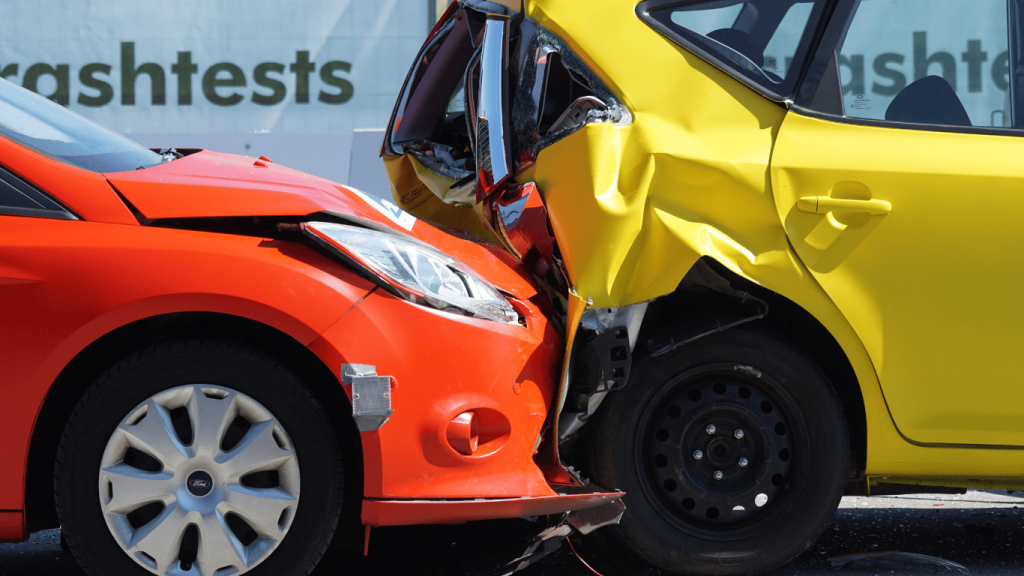








Many drivers are unsure about what to do when someone refuses to provide insurance information after a collision. It can quickly become confrontational, especially if you don’t know the law. California law requires specific information to be exchanged after an accident, and refusing to cooperate can lead to legal and insurance complications. This article covers the law, what to do if the other driver won’t give you their information, and steps you can take to protect your rights after a collision.
What Does California Law Require Drivers to Exchange After an Accident?
According to California Vehicle Code Section 16025, in the event of a collision, drivers must, unless rendered incapable, provide their name and address, driver’s license number, vehicle ID number, and the name and address of the registered owner. They must also provide evidence of financial responsibility, which is most often in the form of insurance, including the name and address of the insurer and the registered owner’s policy number.
Exchanging personal and insurance information after a car accident is crucial to ensuring everyone can afford vehicle repairs and medical care. The information helps with insurance claims, accident investigations, and compensation recovery. California does mandate a minimum insurance amount of $30,000 for bodily injury or death, $60,000 for multiple injuries or deaths, and $15,000 for property damage, but not every driver actually carries the required insurance.
What to Do If a Driver Who Hit You Refused to Provide Insurance Details?
Refusing to provide insurance information doesn’t prevent an injured person from protecting their claim. Your actions in the hours and days after your crash are critical, and they become even more important if the other driver refuses to provide insurance details. Gathering evidence, reporting the accident, and preserving important information for insurance and legal proceedings helps you stay in compliance with the law.
Document Everything at the Scene
Immediately after the crash, and after contacting emergency services, photograph both vehicles, the damage, the other vehicle’s license plate, and the road conditions. Write down as much information about the other car as you can, including the make, model, and color, as it will make it easier to identify if the driver refuses to provide other information or if they flee the scene before police arrive. The evidence you gather right after the accident can help establish fault and support a future claim.
Gather Witness Information
Look around for anyone who saw the accident happen, including bystanders and any other drivers who stopped to help. Witness statements are very important, especially when the other driver refuses to cooperate, because they can support your version of events. When the facts of the crash are disputed, unbiased witnesses can clarify details from an outside perspective.
Contact Law Enforcement
You are legally required to contact the police after an accident if there are any injuries or serious property damage. You may not leave the scene until police have arrived, but if you’re taken to the hospital by ambulance, you won’t be penalized for leaving the scene. Police create an official accident report and can get the information you need directly from the driver. Police reports also play a critical role in personal injury claims because they provide an objective overview of the accident.
Notify Your Insurance Company
Every insurance policy has reporting requirements that list the deadline for notifying the provider about a collision. If you don’t report the accident, you may not be able to file a claim, or your premiums can increase. You must report the crash even if the other driver refused to provide their information. Give your insurer the vehicle details you have, including the make, model, and license plate number, and find out if your uninsured motorist coverage applies.
Seek Legal Advice if Necessary
Legal guidance is beneficial in car accident cases where a potentially at-fault driver cannot be identified, refuses to provide insurance details, disputes fault, or has no insurance. Attorneys can gather and preserve evidence before it disappears, investigate the driver and their insurance, and pursue compensation through the appropriate policy or directly against the driver. An attorney can also help you meet legal claim requirements and file before the statute of limitations expires.
What Happens If Someone Refuses to Provide Insurance Information?
Refusing to provide insurance information can have legal, financial, and insurance-related consequences. Investigations, police involvement, and insurance company inquiries may still uncover the driver’s identity and policy information, so refusing to exchange details puts them at risk for more severe repercussions. Furthermore, if they try to flee the scene, they can be charged with a hit-and-run when caught, which may be treated as a criminal offense.
What To Do If Someone Who Hit You Does Not Have Car Insurance?
Some drivers refuse to exchange insurance information specifically because they don’t have any coverage. If that is the case, your own uninsured motorist (UM) coverage will be your primary source of damages recovery. UM insurance is optional in California, but it can save you in difficult situations where the at-fault driver lacks insurance. Underinsured motorist (UIM) coverage can also be helpful if the other driver is insured, but their policy limit is too low to cover the full extent of your damages.
You can pursue compensation from the at-fault driver personally, but your recovery will be limited to their collectible assets, which are typically minimal for drivers without insurance. If the driver was in a commercial vehicle, their employer may carry some responsibility through vicarious liability, which holds employers accountable for the actions of their employees while performing work-related duties.
Can You Refuse to Exchange Information If You Do Not Have Insurance?
No, you cannot refuse to exchange information, even if you don’t have valid coverage. Lacking insurance does not excuse you from providing your name, address, license number, and vehicle registration. Driving without the required minimum coverage is a violation, and refusing to provide information is a separate violation. You cannot escape taking responsibility for causing an accident by not giving the other driver your name. It is more likely than not that you will be identified eventually, and when you are, the consequences can be severe.
Common Myths About Exchanging Insurance Information After an Accident
Many drivers misunderstand their obligations after an accident and rely on incorrect assumptions that could complicate their claims or expose them to legal repercussions.
- Myth: You only need to exchange information if someone is injured.
Truth: Even if there is only property damage, you must still provide insurance information. - Myth: Drivers without insurance can refuse to provide information.
Truth: You are legally required to provide your information even if you don’t have active coverage. - Myth: Taking photos eliminates the need to exchange details.
Truth: Taking photos of the license plates and driver’s licenses can be helpful, but you must make sure that you both have contact information and policy details as well. - Myth: Minor accidents do not require cooperation.
Truth: You cannot decide whether a crash is minor without first confirming if the collision caused injuries or hidden property damage. You must cooperate regardless. - Myth: Refusing insurance disclosure protects you from liability.
This is 100% false, as refusing insurance disclosure can harm your position and make it harder to dispute liability.
When Should You Contact a Car Accident Attorney?
Legal assistance may be appropriate when a driver refuses to cooperate, leaves the scene of the accident, doesn’t have insurance, disputes liability, or causes significant injuries or property damage. Car accident attorneys can investigate accidents, negotiate with insurers, and pursue compensation through the relevant legal channels on behalf of an injured driver. Trying to negotiate with insurance adjusters without legal support can put you in a vulnerable position, so working with an attorney empowers you to pursue the compensation you deserve.
Several forms of evidence can disappear quickly, including CCTV and dashcam footage, which is often overwritten within days or weeks. Attorneys can send preservation of evidence letters that notify the owner of the evidence that they may not destroy or alter it. In cases involving corporate entities, footage may be intentionally obscured to derail investigations, so acting quickly is vital.
Protect Your Rights After a Car Accident
A driver’s refusal to provide insurance information does not eliminate your legal options as the injured party. As mentioned above, taking action quickly protects you from losing access to important information and evidence, while also giving you more time to seek medical care and determine the true long-term costs related to your injuries. Working with an attorney can help you prepare your case and build a compelling body of evidence to support your claim.
At HHJ Trial Attorneys, we provide expert legal guidance and support throughout the claims process so claimants can focus on healing and getting back to their normal daily lives. If you’ve been in a collision with a driver who refused to share their details after hitting you, contact us to schedule a free case review. We offer no-obligation consultations to help you understand your options and what you need to consider moving forward. Don’t hesitate to reach out; we are here to help.